About
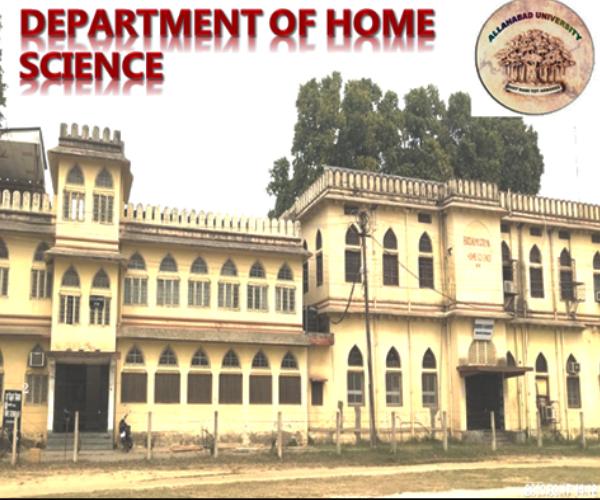
The Department of Home Science was established in 1945 with the vision of educating women. Dr. Vyas served as its first Head, followed by Dr. Radha Pant, who was a distinguished faculty member in Biochemistry. With the support of a grant received to open PG in Home Science, Dr. Pant introduced a Postgraduate program in Biochemistry in 1966. Over time, as the faculty members of Home Science retired, the department was merged into Biochemistry.
After sustained and determined efforts by Prof. Sangita Srivastava, the department regained its independent identity in 1998–1999. Under her leadership, the department was revived and strengthened. She established the Postgraduate program in Textile and Apparel Design in 2010 and steered the department single-handedly for nearly two decades, until 2018. In that year, with the tireless efforts of Prof. Srivastava, six new faculty members joined, marking a new era of expansion. Her steadfast work led to the establishment of a new departmental wing in 2007, adding momentum to its revival and progress. Building on this momentum, a Postgraduate program in Food and Nutrition was established in 2020. The invaluable contribution of Prof. Sangita Srivastava to the department’s resurgence and progress will remain etched in history as a golden legacy. Today, she leads as the Vice Chancellor of the University, a role that crowns her lifelong dedication to education and institutional growth.
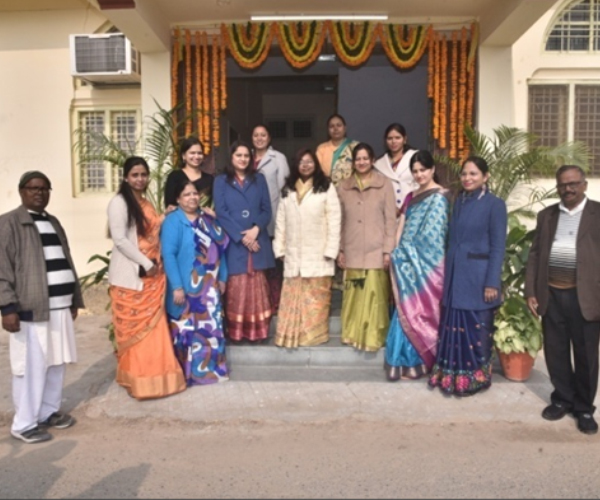
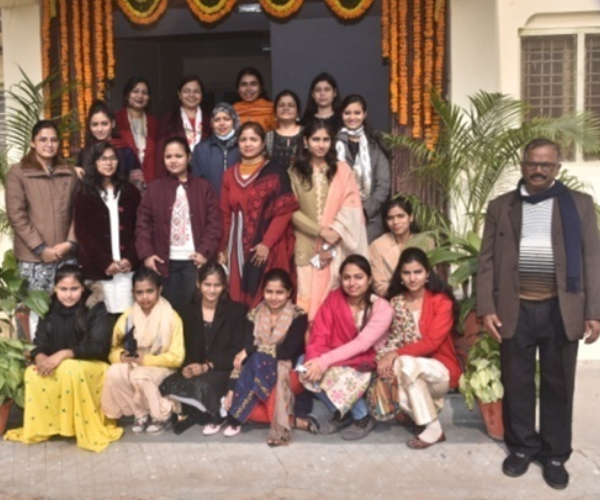
Today, the department flourishes with 9 faculty members, 32 researchers, and cutting-edge Ph.D. programs across all streams of Home Science. The Department has to its credit four patents. The Department of Home Science has been rechristened as the Department of Family and Community Sciences, reflecting its broadened scope and interdisciplinary vision.
The department now houses experts in Child Psychology, Human Development, Food and Nutrition, Textile and Apparel Designing, Extension Education, Chemistry and Microbiology.
The hallmark of the department lies in its integrated approach to teaching and learning, a model that resonates strongly with the National Education Policy (NEP). Theory and practicals are seamlessly combined, ensuring that students are future-ready, versatile, and skilled across multiple domains. This holistic training equips graduates to meet the evolving demands of society and industry with dexterity and confidence.
The Department of Family and Community Sciences thus stands today as a vibrant center of interdisciplinary excellence, carrying forward a rich legacy while shaping future generations with innovation and vision.
- Library
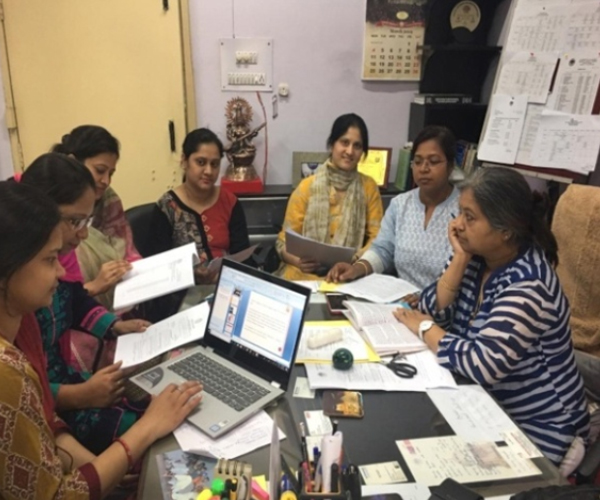
- Staff room
- Seminar room
- Class rooms
- Well established laboratories for textile testing, apparel designing, resource management, experimental cookery, microbiology and chemical analysis which cater to more than 30 practicals of Undergraduate and Post Graduate courses.
- Department also has well equipped Research Laboratory.
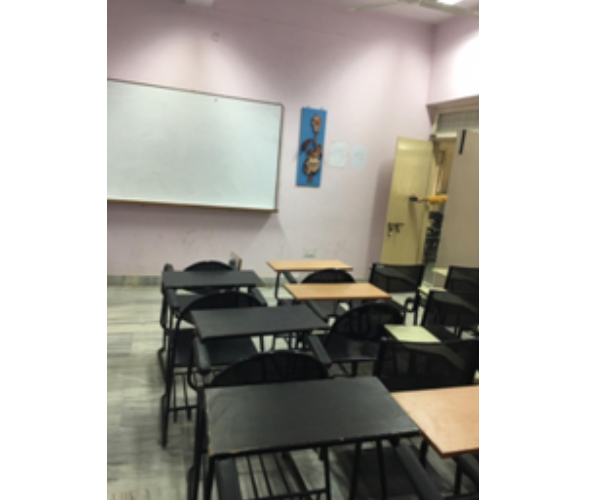 Classroom
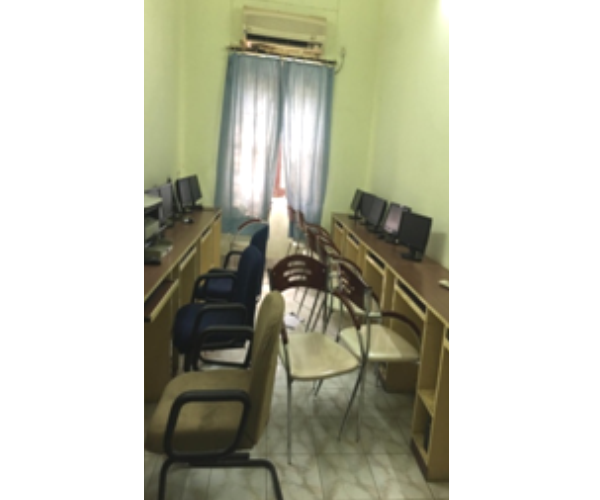 Computer Lab
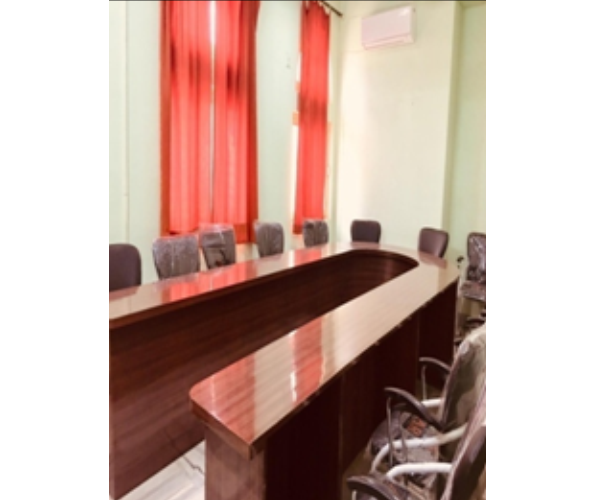 Conference Room
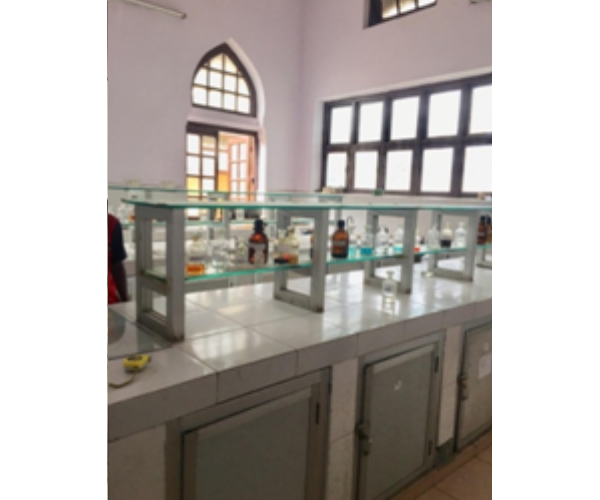 Laboratory
 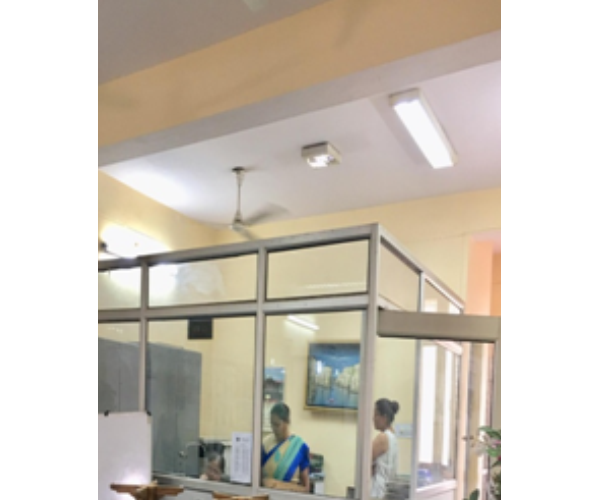 Office
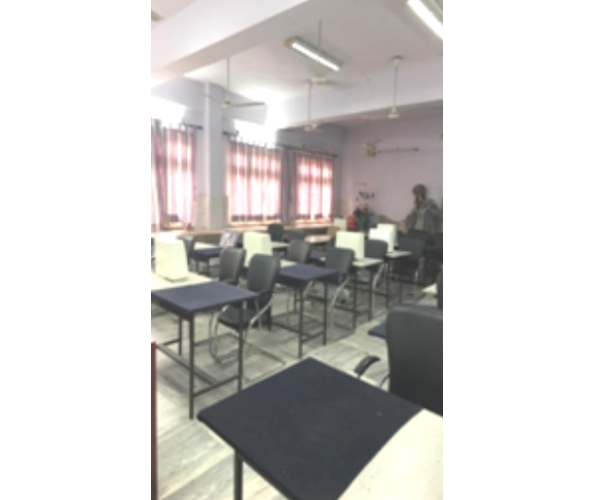 Textile Lab